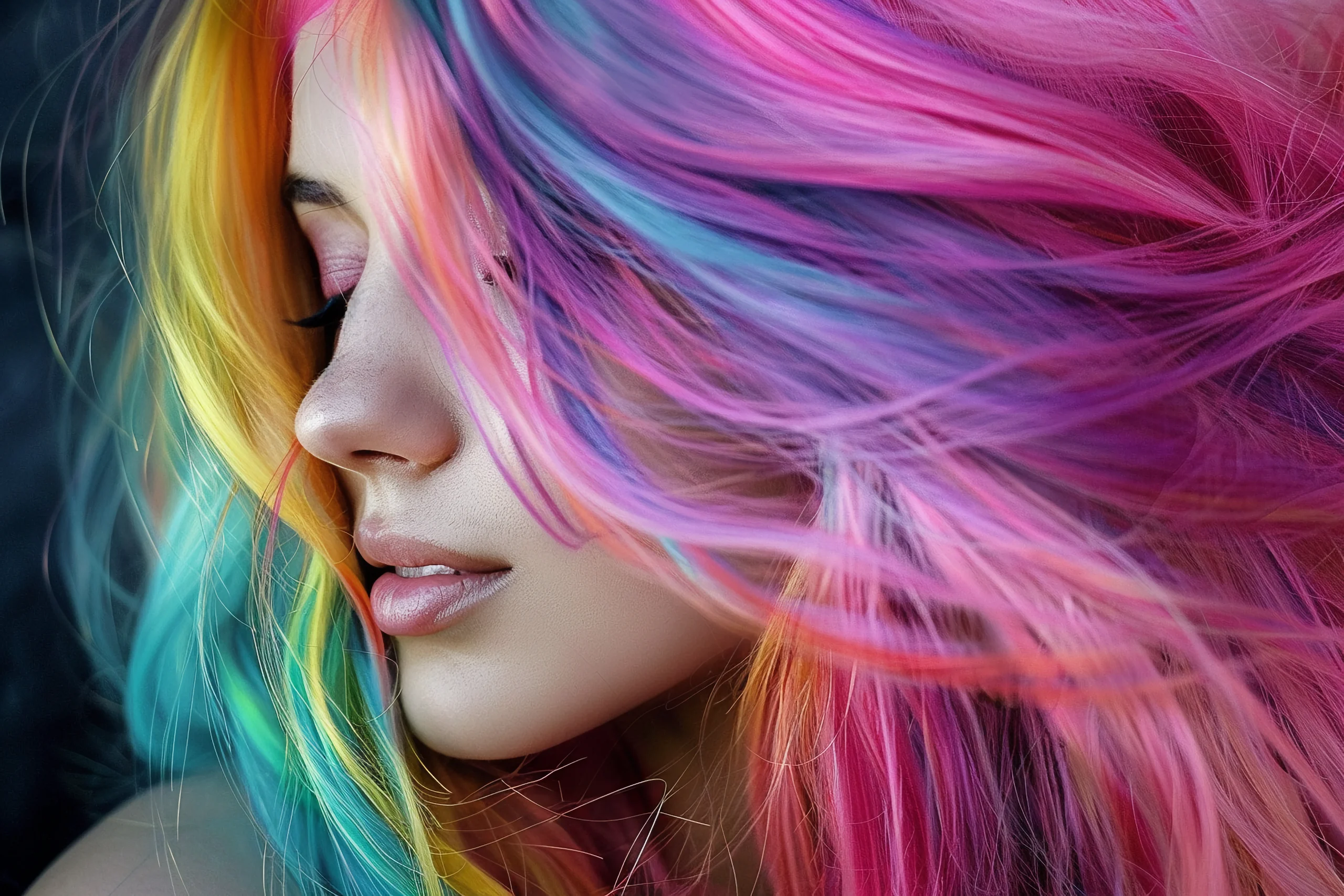

Have you ever stared at the mirror, wondering, “What colour is my hair, really?”
It’s not as simple as brown, blonde, or red.There’s a whole world of nuanced tones out there, and chances are, your hair is a fascinating blend.
Let’s dive into the science and history of hair colour to uncover the secrets behind your unique shade.
It all starts with melanin – the pigment responsible for colour in our skin, eyes, and yes, our hair! You’ve got two types: eumelanin (brown/black) and pheomelanin (red/yellow). The unique combination and quantity of these pigments determine your hair colour’s depth and warmth.
Think your hair’s just “brown”? Think again! It could be rich chestnut, cool ash brown, or warm honey brown. Hair colour has always been about nuance! Ancient cultures recognised these subtleties, using terms like “flaxen” (pale blonde), “raven” (deep black with blueish undertones), and even “mousey” for those ashy, light brown shades. Victorians were particularly fascinated with auburn and Titian (reddish) hair, elevating those colours with a romantic flair.
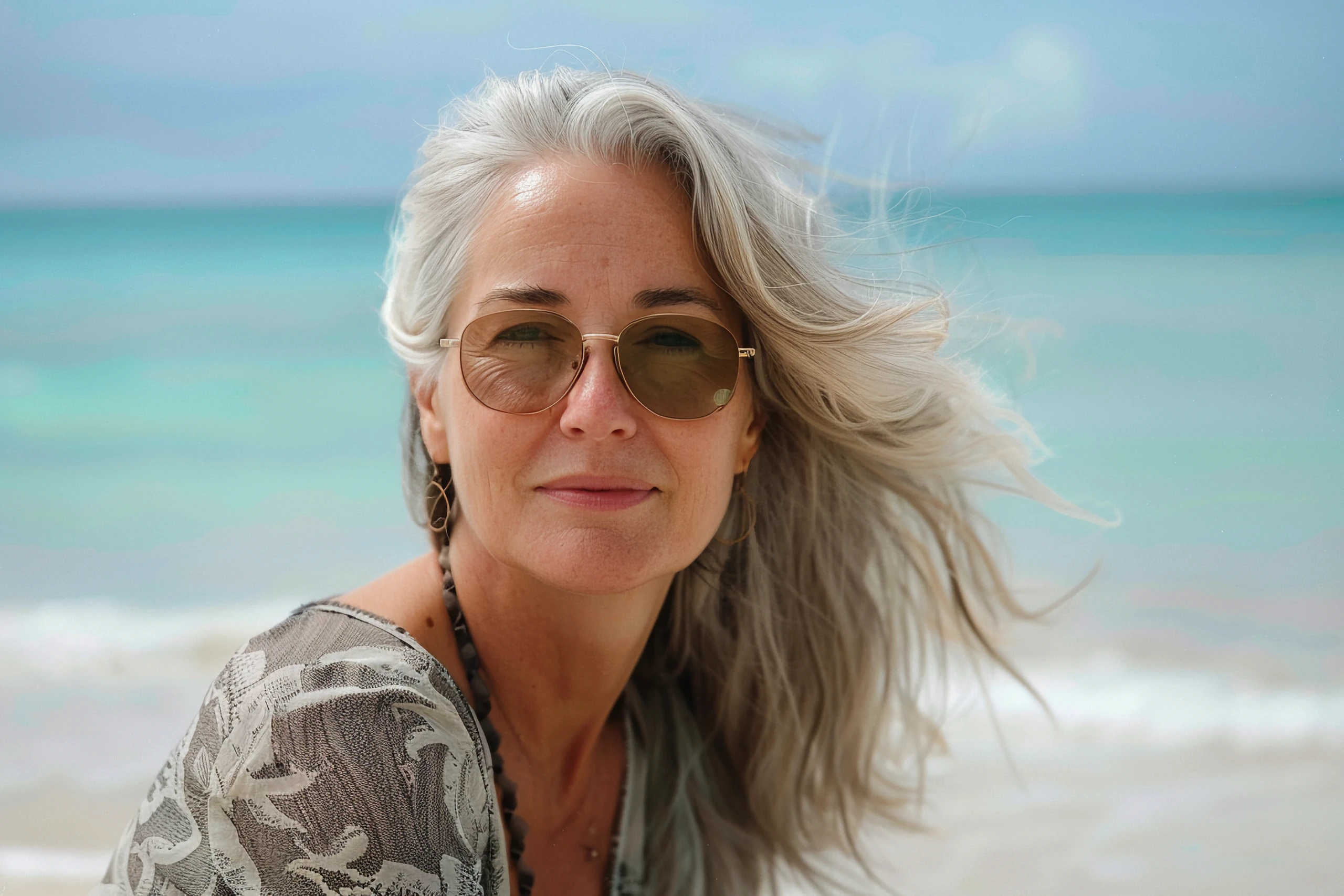
Our hair colour isn’t static – it changes! Babies are often born with lighter hair that darkens as they grow. Environmental factors like sun exposure can subtly lighten strands, giving you natural highlights. And of course, there’s the delightful appearance of those silver strands as we age, a sign of wisdom and lived experience.
Figuring out the exact name of your hair colour can be a fun adventure. Hold a swatch of your hair in natural light and compare it to colour charts, exploring those rich, descriptive terms. Sites and apps specialising in hair colour analysis offer a helping hand too!
Whether you’re a fiery redhead, a sophisticated brunette, a luminous blonde, or sporting a distinguished salt-and-pepper look, embrace the unique beauty of your hair colour. It tells a story woven with genes, a touch of time’s magic, and maybe even a sprinkle of sun-kissed magic.