
Forget those harsh highlights of the 90s – balayage is here to stay! This French hair colouring technique has taken the world by storm, promising effortlessly chic, sun-kissed locks that look like you just spent a month on a tropical beach.
But what exactly is balayage, and where did it come from?
Believe it or not, balayage has been around since the 1970s. It first emerged in the salons of Paris, a city known for its effortless style. The word “balayage” literally means “to sweep” in French, which perfectly describes how the colour is applied. Unlike traditional highlights, balayage involves hand-painting colour onto the hair, creating a soft, blended, and oh-so-natural look.
Balayage didn’t become a global sensation overnight. While it gained some popularity in the 90s, it took a while to catch on. It wasn’t until the rise of social media and the obsession with perfectly tousled beach hair that balayage truly soared. Celebrities and influencers alike embraced the look, showcasing their sun-kissed strands for all to admire.
There’s no mystery behind its wildfire popularity. Balayage offers some serious benefits:
Low maintenance: The subtle grow-out means you can stretch those salon visits further apart.
Universally flattering: Balayage works wonders for all hair colours and textures, whether you’re a blonde, brunette, or redhead.
Customisable: Your stylist can tailor the look to your exact preferences, from subtle accents to bold pops of colour.
Damage Control: Since balayage doesn’t involve colouring all the way to the root, it tends to be less damaging than traditional highlighting techniques.
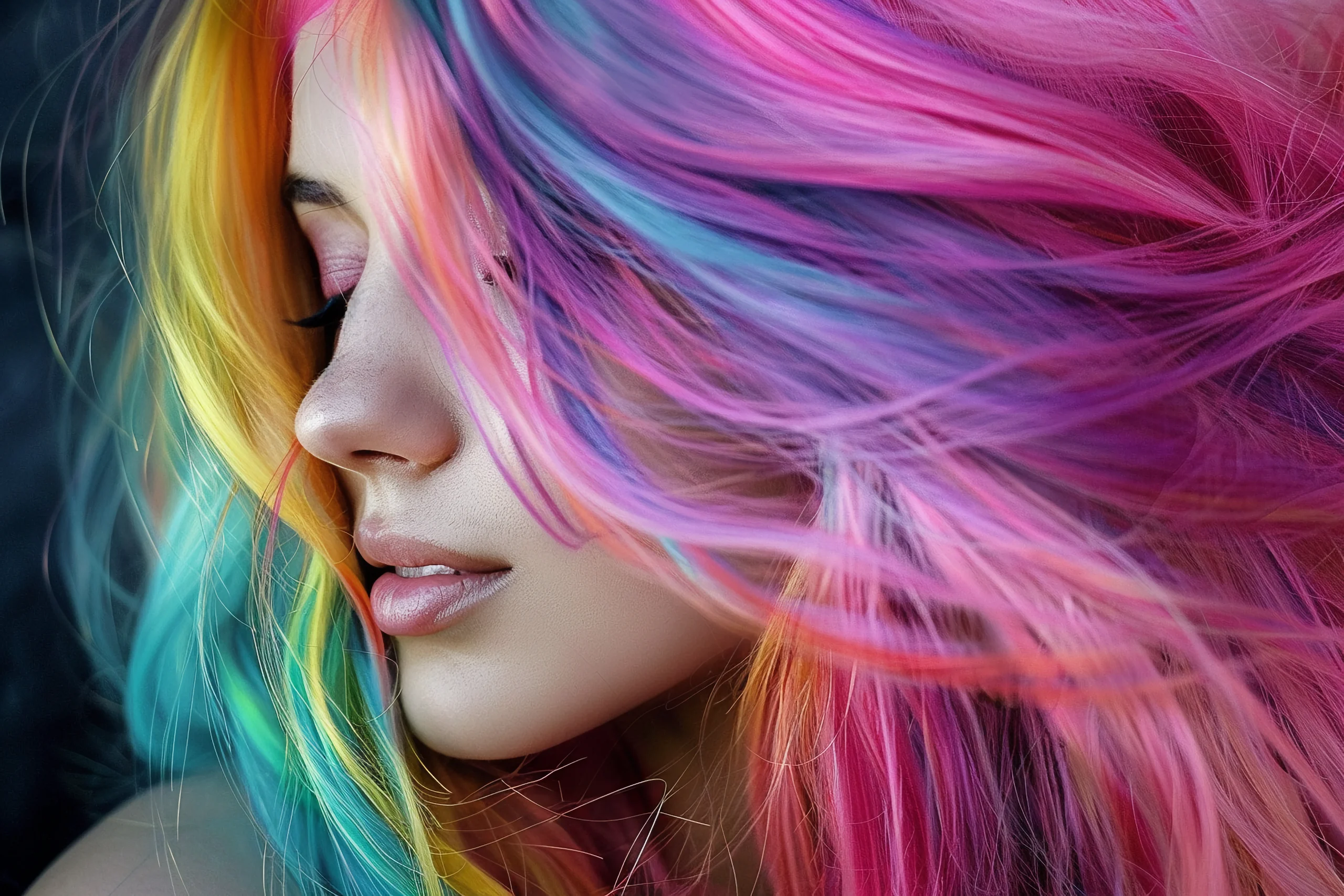
Balayage isn’t a one-trick pony! There are variations like foilyage (combining balayage with foils for extra brightness) or even bold colour melts using vivid shades. The possibilities are endless!
So, if you’re looking for a hair transformation that’s both low-maintenance and seriously stylish, balayage might be your perfect match. Just be prepared for everyone to ask where you went on your fabulous vacation. 😉